Pop-Ups and Culinary Events
The Anglo-Indian Heritage Table at Grand Mercure Koramangala, Bangalore
August 8, 2026
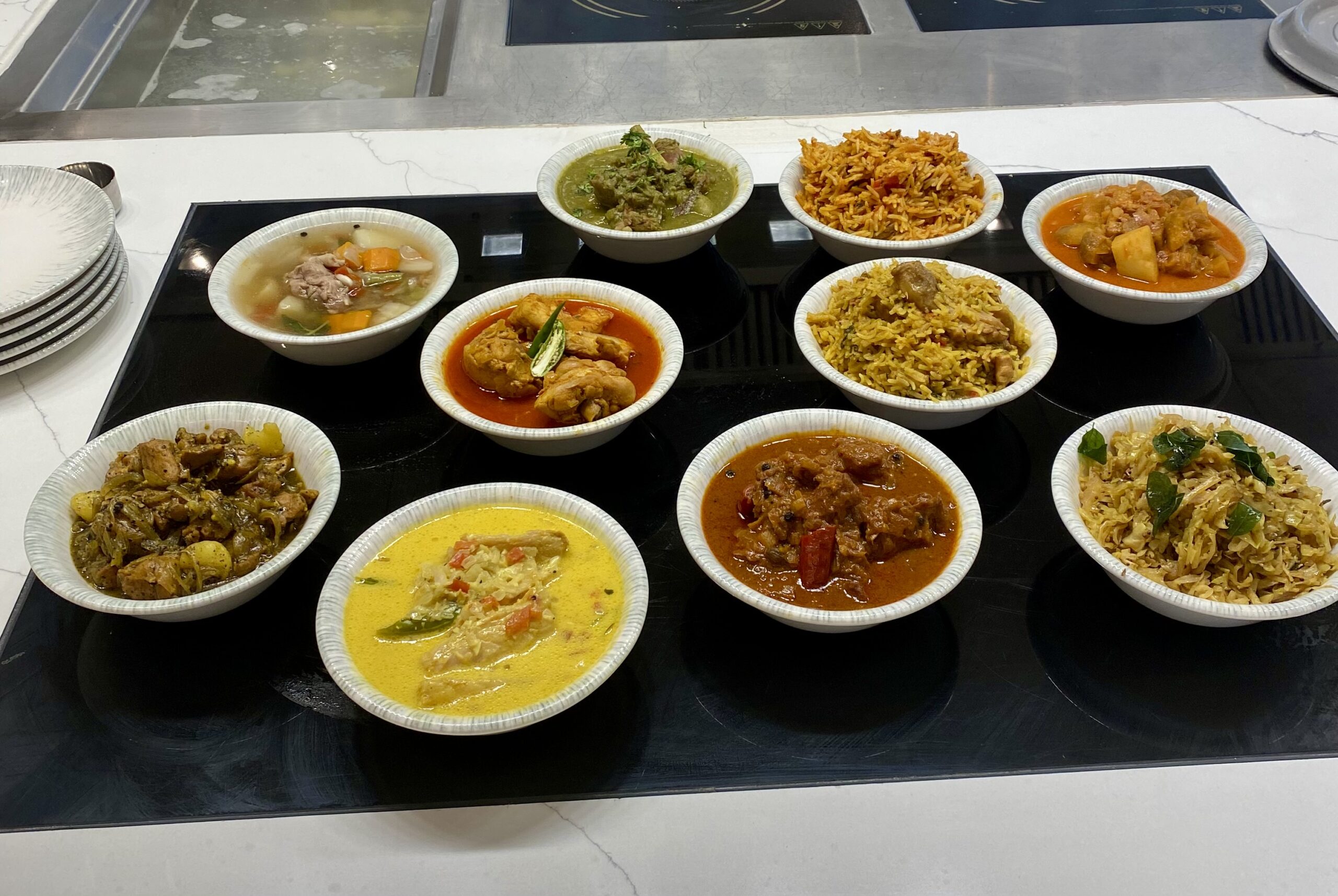
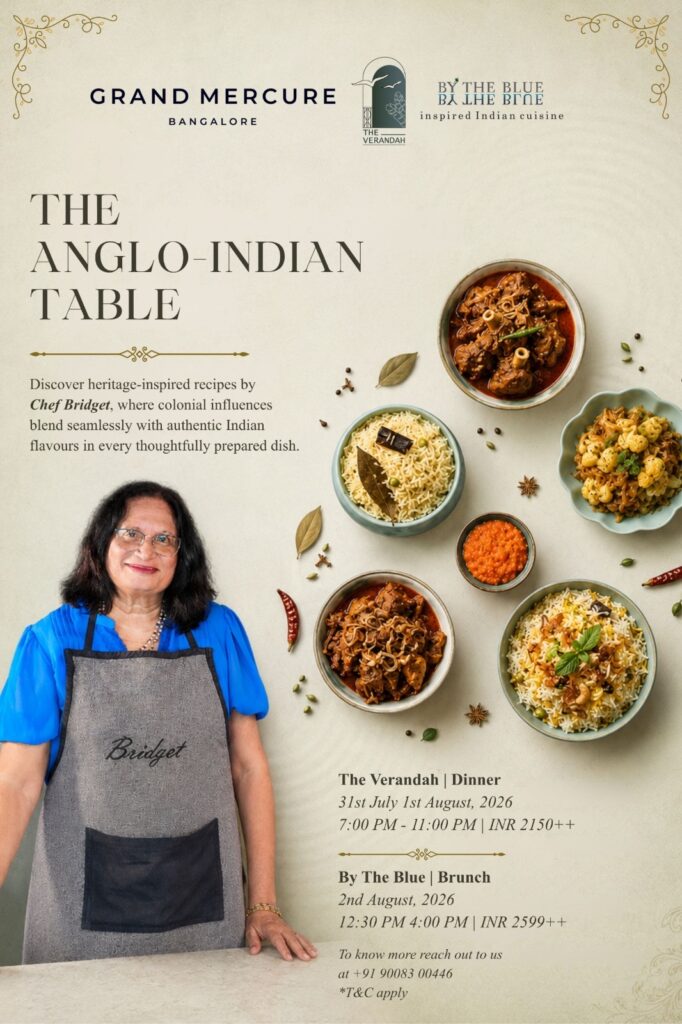
The Anglo-Indian Heritage Table was a specially curated food festival and pop-up held at Grand Mercure Koramangala, Bangalore, from 31st July to 2nd August 2026.
The event was specially planned to coincide with World Anglo-Indian Day, celebrated by the Anglo-Indian community every year on 2nd August.
A Celebration of Anglo-Indian Culinary Heritage
I curated a special menu for the pop-up featuring iconic and heritage dishes associated with Dak Bungalows, Army Camps, Railway Dining Cars, Tea Gardens and Colonial Country Clubs, along with many popular and much-loved dishes from Anglo-Indian homes.
I provided the recipes for these dishes, many of which have stood the test of time and are steeped in history. I also trained the chefs and staff at the hotel in the preparation of the dishes so that the flavours, techniques and character of the cuisine could be represented authentically.
From Dak Bungalows to Railway Dining Cars
The menu brought together dishes from some of the most fascinating chapters of Anglo-Indian culinary history.
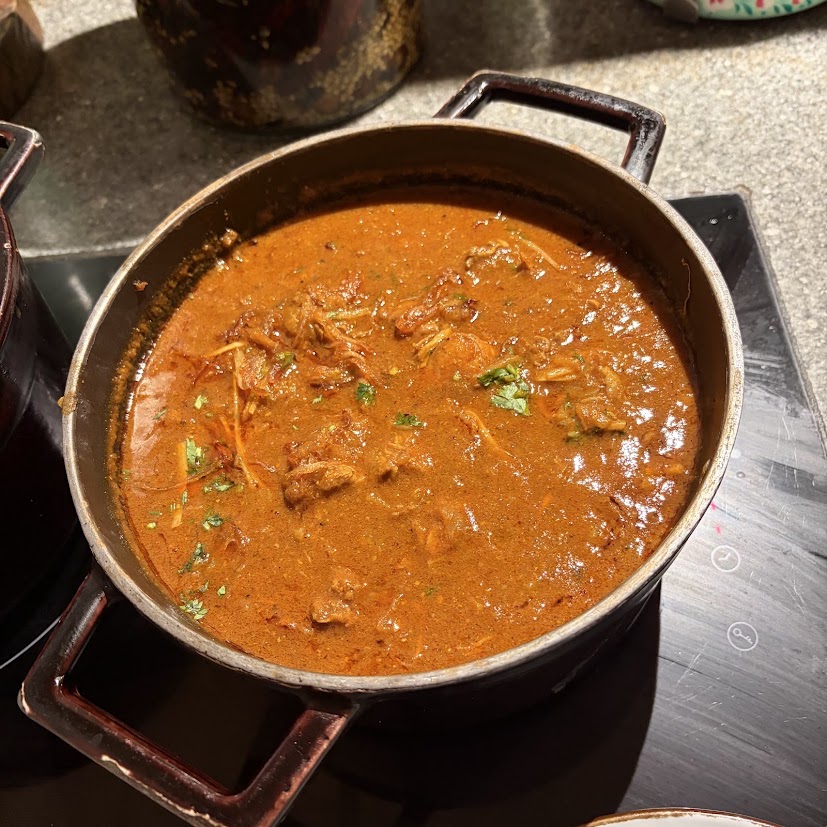
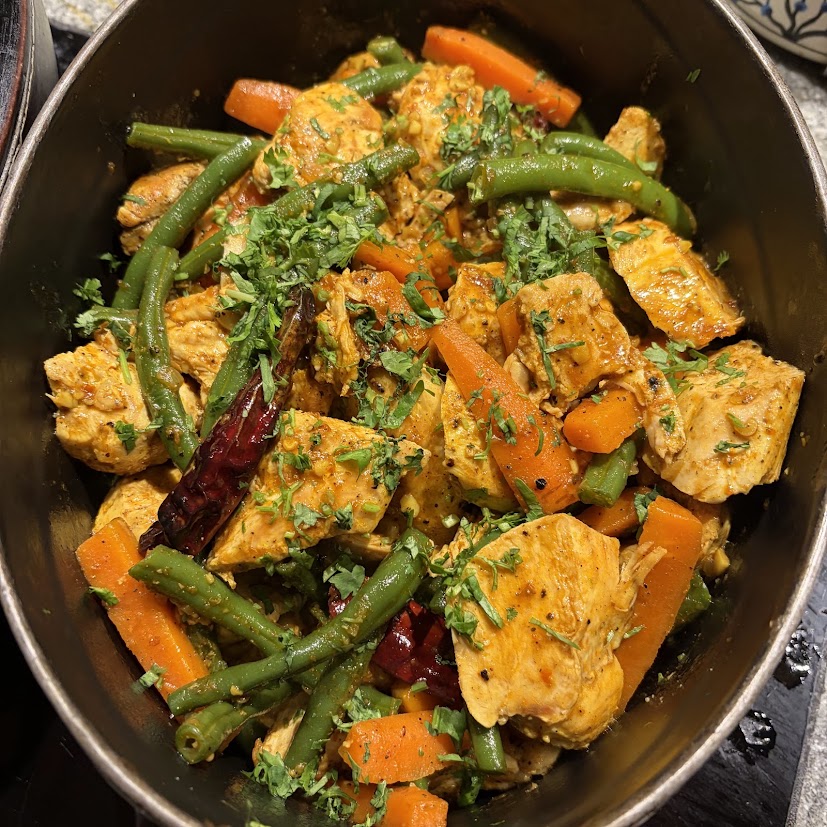
Among the highlights were the Dak Bungalow Chicken Curry, dishes inspired by army camp kitchens such as the Bengal Lancers Goat Meat Curry and Bengal Lancers Prawn Temperado, associated with the culinary traditions made famous by Col. Skinner and Maj. Grey.
The menu also explored the railway culinary traditions of colonial India, including iconic lamb and chicken curries and classic cutlets associated with the dining cars and refreshment rooms of the era.
A Colonial Culinary Experience
The menu also featured dishes influenced by British, Portuguese and Indian culinary traditions, including Mulligatawny Soup, Country Captain Chicken, Anglo-Indian Roasts, Vindaloo and Tangy Curries.
Together, these dishes created a complete colonial culinary experience while also showing how Anglo-Indian cuisine evolved through the interaction of different cultures, ingredients and cooking traditions.
A Buffet Filled With History
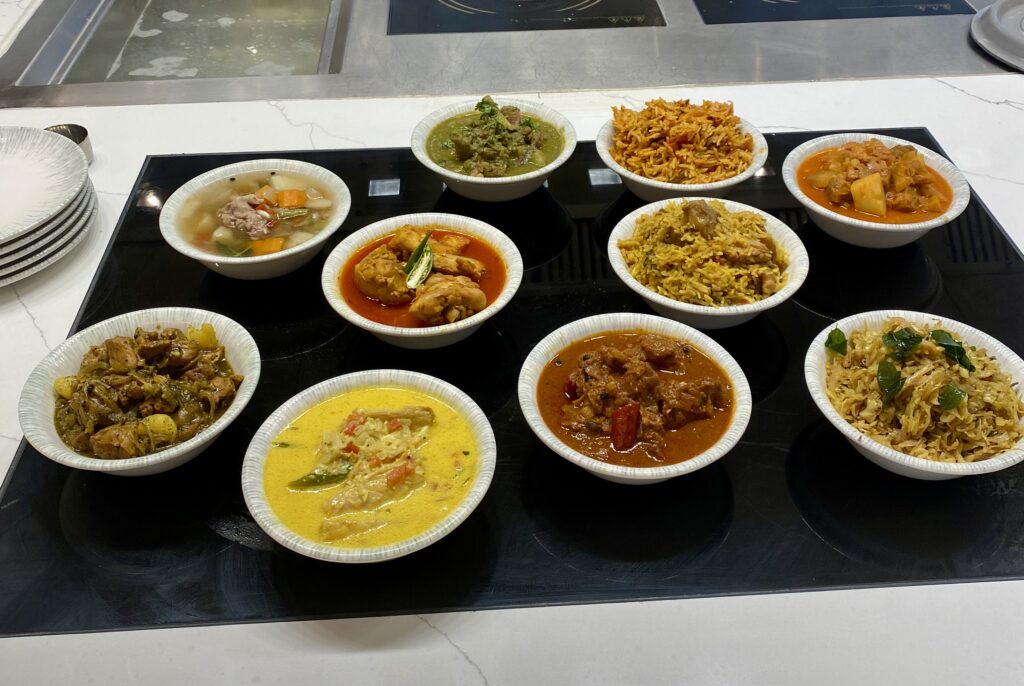
The Heritage Table was presented as a curated buffet featuring both vegetarian and non-vegetarian dishes, including soups, starters, main courses, salads, rice dishes, accompaniments and desserts.
Each dish was more than simply something to eat. Each was a bite of history, with names, flavours and cooking methods that evoked the charm and elegance of a bygone era.
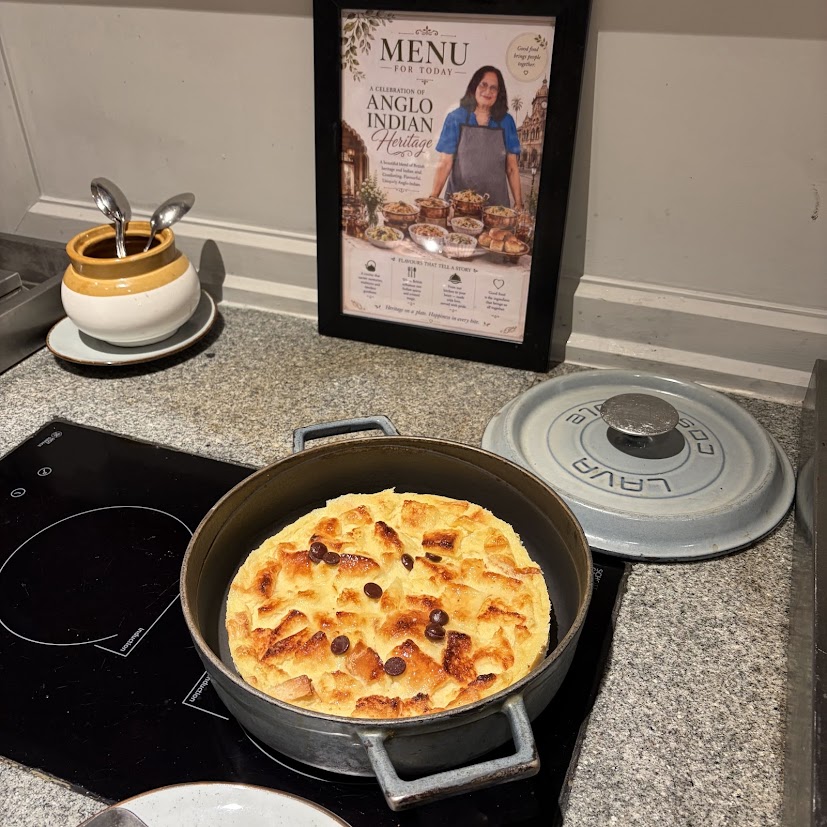
The Menu
Soups
- Colonial Mulligatawny Soup: A robust and flavourful soup with a hint of mint, inspired by the culinary traditions of the Madras Presidency. Served with crostini.
- The Army Camp Soup: A hearty, lightly flavoured vegetable soup inspired by the famous camp soups associated with the World War II era. Served with crostini.
Non-Vegetarian Starters
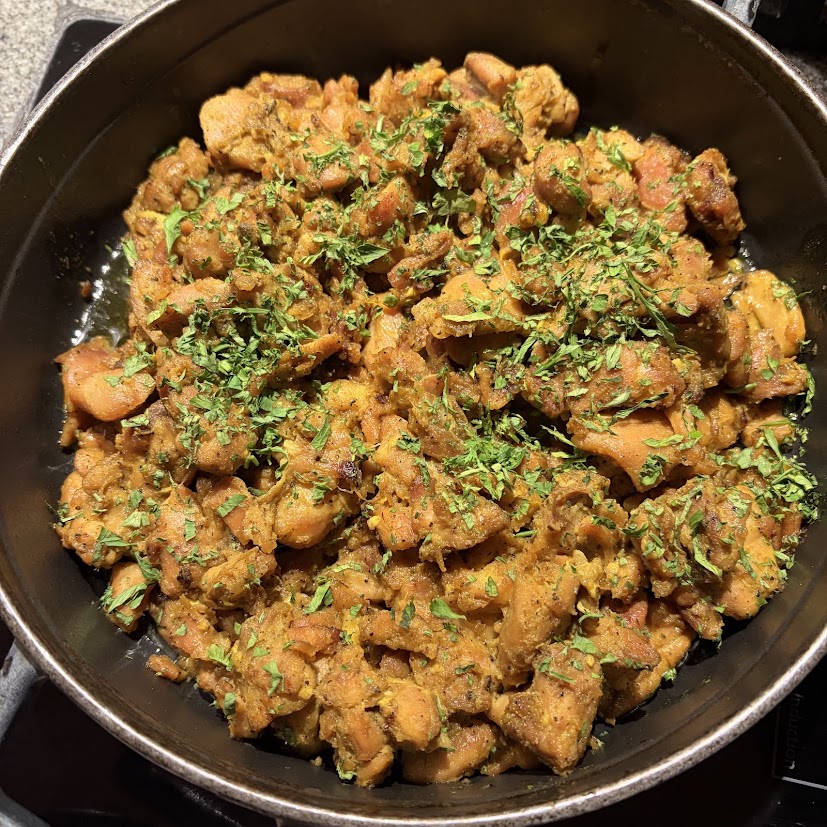
- Colonial Anglo-Indian Black Pepper Chicken Bites: Succulent boneless chicken infused with garlic and freshly ground black pepper.
- Bengal Lancer’s Temperado Prawns: Fresh prawns cooked in a sweet-sharp and slightly spicy gravy, reflecting the army camp culinary tradition.
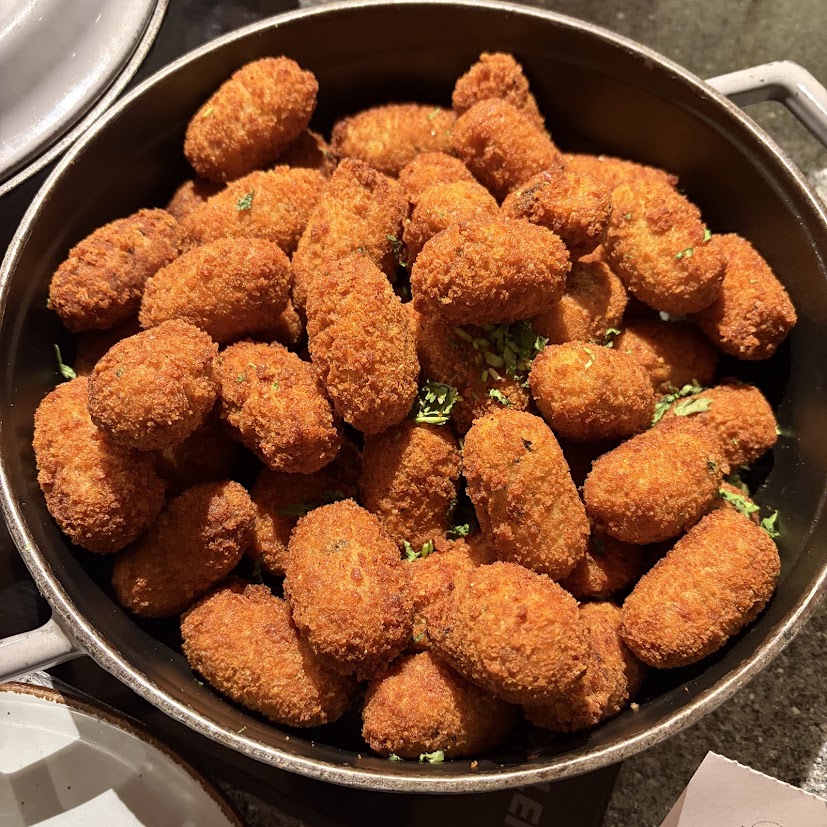
- Crumb Fried Cocktail Chicken Cutlets: Chicken mince cooked with pepper, mint and spices, encased in mashed potatoes, shaped into miniature roundels and crumb-fried.
- Anglo-Indian Fish Rissoles: Cooked and mashed fish seasoned with herbs and spices, shaped into small cigar-shaped rolls and crumb-fried to golden perfection.
Vegetarian Starters
- Railway Vegetable Cutlets: Lightly spiced, crumb-fried mixed vegetable cutlets inspired by the nostalgic flavours of colonial railway journeys.
- Crispy Cheesy Potato and Spinach Rissoles: Herb-seasoned potato and spinach rissoles with a gooey cheesy centre.
- Mixed Vegetable Croquettes: Mashed fresh vegetables lightly flavoured, shaped into cigar-shaped rolls and crumb-fried.
- Crispy Potato and Green Peas Cutlets: Potato and green pea cutlets subtly flavoured with selected herbs and seasoning.
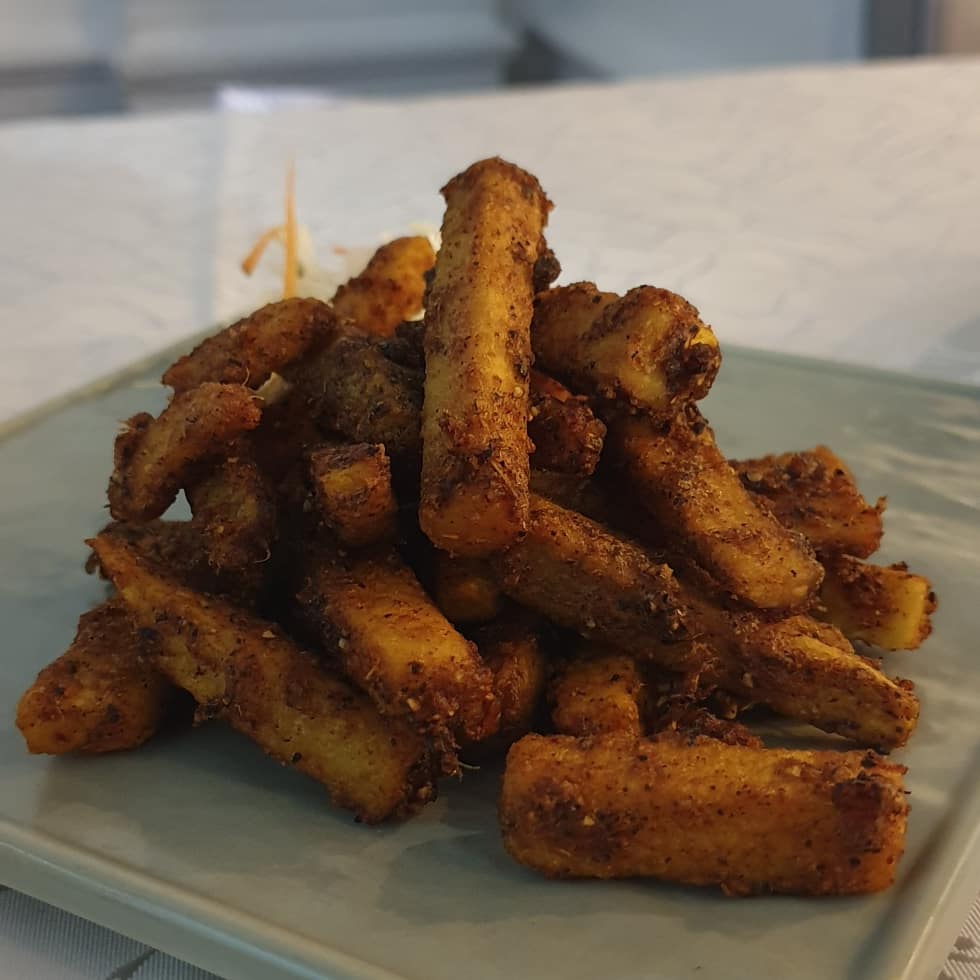
- Mixed Vegetable Fritters: Mixed vegetable fingers coated in batter and deep-fried until golden.
Main Course
Non-Vegetarian
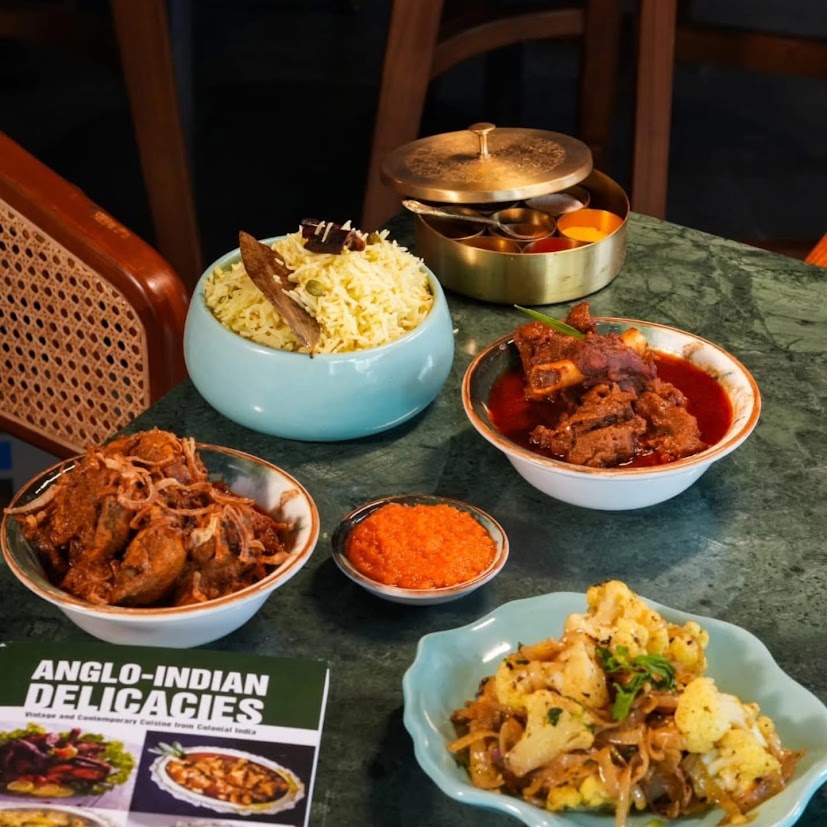
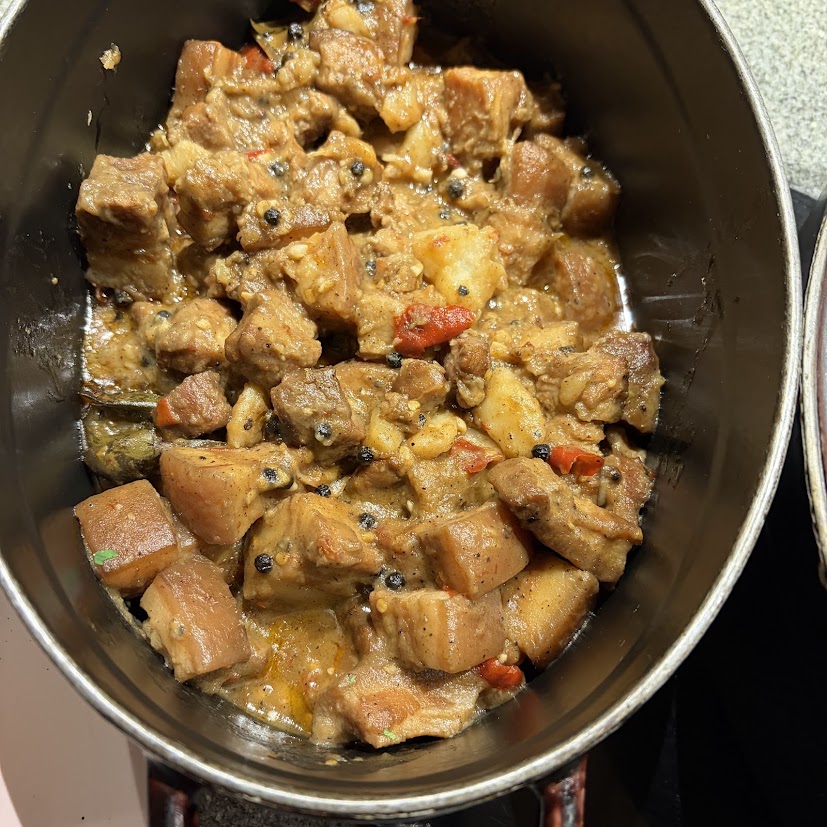
- Colonial Railway Mutton Curry: Mutton and potatoes cooked in a slightly spicy and tangy gravy, inspired by the railway dining traditions of British India.
- Colonial Country Captain Chicken: Tender pieces of chicken on the bone cooked in a lightly spiced, thick tomato-based gravy.
- Anglo-Indian Prawn Vindaloo: Fresh prawns cooked in a slightly spicy vinegar and tomato gravy, reflecting the Portuguese influence on Anglo-Indian cuisine.
- Anglo-Indian Mutton Meatball Curry: Tender mutton mince meatballs simmered in a mildly spiced coconut-based curry, traditionally known by a cheeky colonial nickname.
- Anglo-Indian Tangy Fish Curry: Fresh fish fillets cooked in a lightly spiced tomato, coconut and tamarind gravy.
Vegetarian
- Anglo-Indian Mixed Vegetable Brown Stew: Earthy vegetables cooked with whole spices and served with garlic bread.
- Anglo-Indian Aubergine and Potato Vindaloo: Baby aubergines and potatoes cooked in a spicy and tangy vinegar-based sauce.
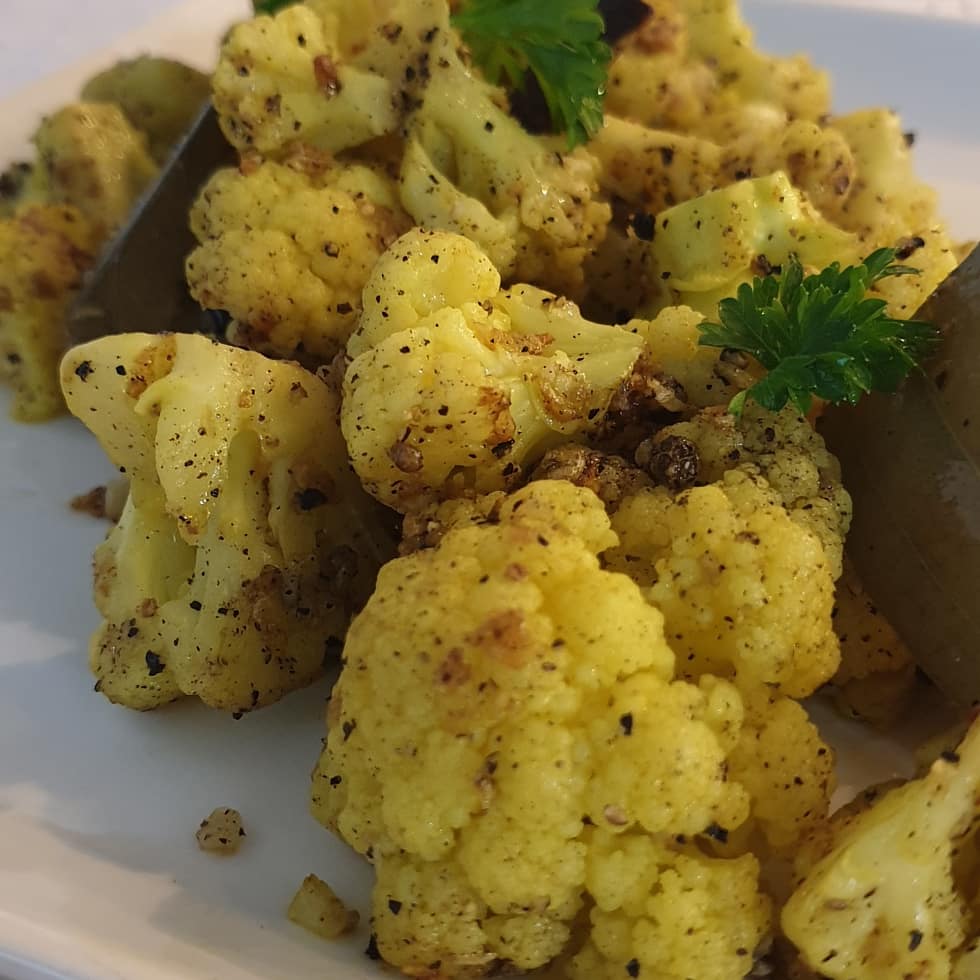
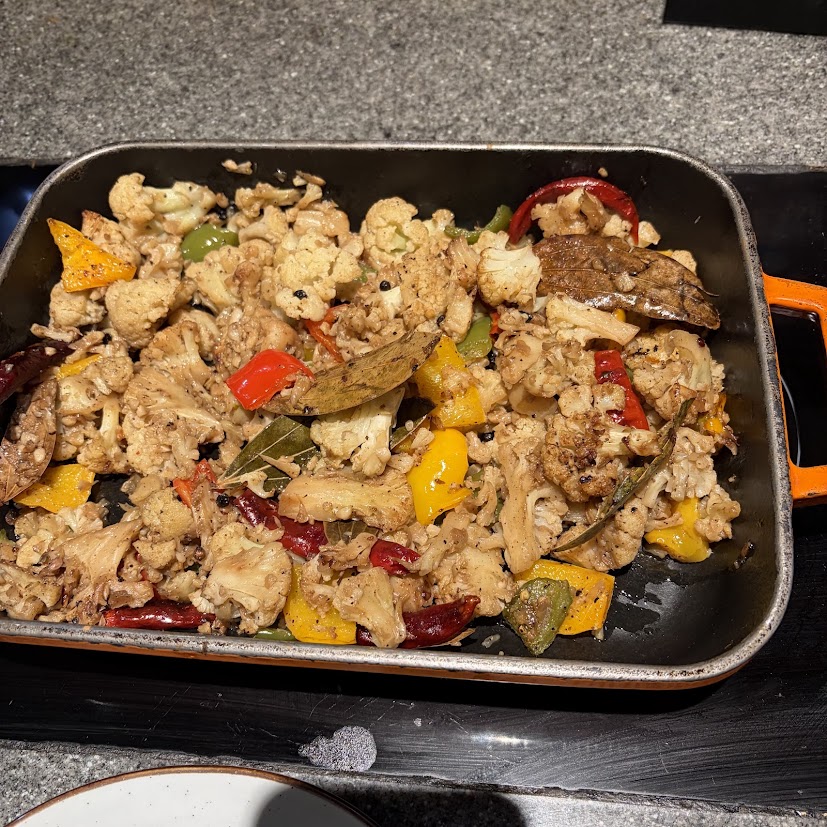
- Butter Cauliflower and Peppers: Cauliflower florets and colourful peppers sautéed in butter and seasoned with salt, pepper and herbs.
- Dak Bungalow Tempered Red Lentils and Tomato Curry: Red lentils and tomatoes tempered with mustard and garlic.
- Anglo-Indian Mixed Vegetable Curry: A homestyle mixed vegetable curry prepared in a creamy coconut-based gravy with selected spices and herbs.
Rice Dishes
- Anglo-Indian Saffron Coconut Rice: Fragrant golden rice cooked in coconut milk, saffron and whole spices.
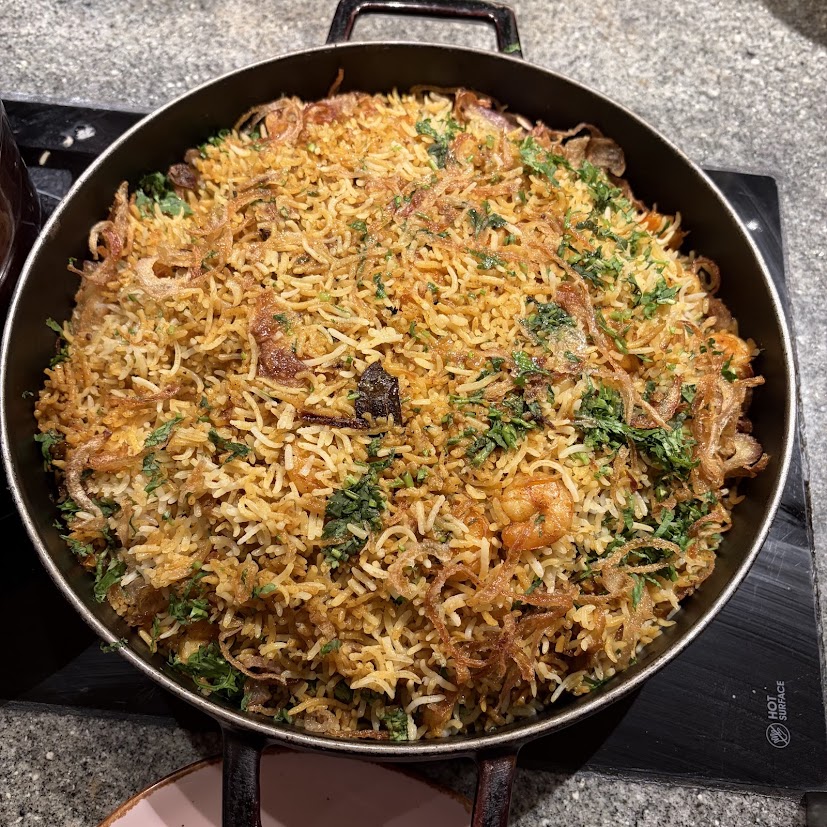
- Anglo-Indian Chicken Junglee Pilaf: A fragrant and aromatic spiced chicken pilaf.
Accompaniments
- Devil Chutney Relish: A sweet, sour and slightly pungent relish, also known as Hell’s Flame Chutney or Fiery Mother-in-Law’s Tongue Chutney.
- Onion, Tomato, Vinegar and Beetroot Salad: Boiled beetroot, onion rings, tomatoes and coriander dressed in a sweet vinaigrette.
- Caramelised Onion and Apple Relish: An old colonial relish combining caramelised onions, apples, cinnamon and chilli powder.
Desserts
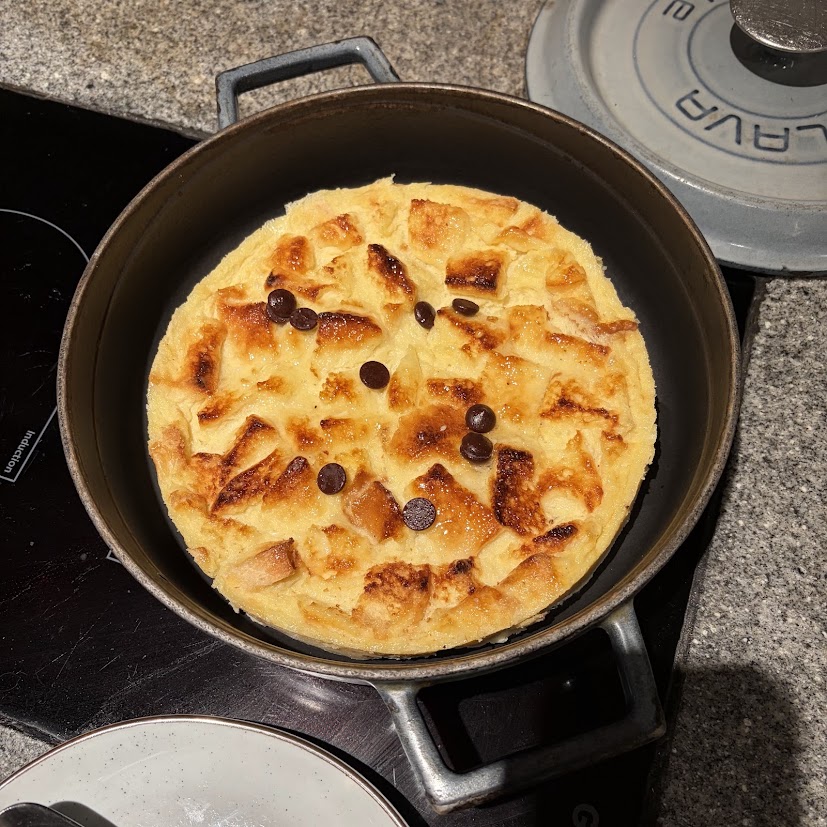
- Old Fashioned Bread Pudding with Ice Cream: A comforting British classic flavoured with cinnamon and vanilla.
- Anglo-Indian Plantain and Apple Fritters with Vanilla Ice Cream: Golden-fried slices of ripe plantain and apple coated in vanilla-flavoured batter.
- Classic Trifle Sponge Pudding: Diced fruit and fresh cream layered over sponge cake and finished with jelly or whipped cream.
- Classic Caramel Custard: A timeless British custard dessert topped with clear caramel sauce.
- Rose Milk Pudding: A light and airy pudding made with fresh cream and rose syrup.
- Pineapple Embassy Pudding: A rich and creamy pudding associated with the culinary traditions of the British Raj and embassy entertaining.
- Poached Pears and Apples in Red Wine: Fruit gently poached in red wine, creating an elegant finale to the meal.
More Than a Meal
The Anglo-Indian Heritage Table was more than a food festival. It was a celebration of a culinary tradition and an opportunity to share the stories behind the dishes that have been passed down through generations.
Throughout the event, I shared insights into the colonial roots of Anglo-Indian cuisine and the way this cuisine evolved within Anglo-Indian homes. These dishes tell stories of railway journeys, army camps, Dak Bungalows, colonial kitchens, family tables and communities that adapted, preserved and passed their culinary traditions from one generation to the next.
For me, the most important part of this experience was helping keep this culinary legacy alive.
A Celebration of World Anglo-Indian Day
The timing of the Heritage Table was particularly meaningful because the event coincided with World Anglo-Indian Day on 2nd August.
Bringing together food lovers, heritage recipes and stories around one table created an opportunity to celebrate the community’s rich culinary history and introduce more people to the distinctive flavours of Anglo-Indian cuisine.
The warm response from the guests made the event a truly memorable experience. Seeing people discover familiar flavours, encounter dishes they had never tried before and show curiosity about their history was deeply rewarding.
Keeping the Anglo-Indian Culinary Legacy Alive
Anglo-Indian cuisine is a living culinary tradition. It reflects generations of adaptation, creativity and cultural exchange, but its survival depends on continuing to cook, document and share these recipes.
The Anglo-Indian Heritage Table was my contribution towards that effort. Through the recipes, the training, the stories and the food itself, I wanted to create an experience that went beyond a buffet and allowed guests to taste a small part of the history behind this remarkable cuisine.
If you are curious about Anglo-Indian cuisine, would like to recreate these dishes, or are interested in collaborating on a culinary heritage project, please get in touch with me.
The Anglo-Indian Heritage Table
Grand Mercure Koramangala, Bangalore
31st July – 2nd August 2026
